Urban Bedroom Guide Bedding
Percale Sheets for Warm Bedrooms: Weave, Care, and Everyday Comfort
When a bedroom holds the day’s warmth long after sunset, bedding can make a noticeable difference to how comfortable the night feels. Percale is known for a crisp, airy hand that many warm sleepers appreciate. Here’s how the weave works, which details deserve attention, and how to care for percale sheets so they become softer without losing their fresh, composed feel.
The appeal of a cooler-feeling bed
In a city apartment, bedroom temperature is rarely a perfectly controlled constant. A top-floor room may collect afternoon heat; a compact space can warm quickly; a window facing a busy street may need to stay closed despite the season. Even when the thermostat is set sensibly, a duvet, mattress, and sheets all contribute to the small climate surrounding the sleeper. That is where fabric choice becomes more than a finishing touch.
Percale sheets are often chosen for their crisp, matte surface and light, breathable feel. They do not actively cool a room or regulate body temperature in a medical sense, but the sensation of a clean, airy weave can feel more comfortable than a dense or slick surface to someone who tends to sleep warm. The distinction is tactile as well as practical: percale feels fresh and lightly structured, like a shirt just pressed, rather than draped and silky.
Comfort is personal, and no weave is universally best. Some sleepers love the crispness; others prefer a smoother finish. The most useful approach is to understand what percale means, then consider fiber, construction, fit, care, and the other layers on the bed. Those details often matter more in everyday use than a headline thread-count number.
What percale means
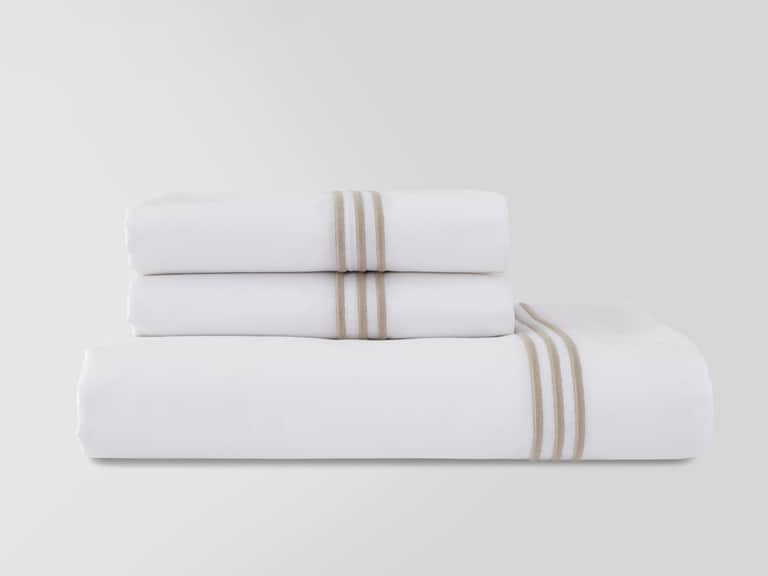
Percale refers to a plain weave: threads cross over and under one another in a simple, balanced pattern. This construction gives the fabric a neat, even appearance and a characteristically crisp hand. It is a weave, not a fiber. A sheet described as cotton percale is made from cotton yarns woven in the percale structure; the word “cotton” identifies the fiber, while “percale” describes how those yarns are arranged.
The straightforward weave creates a surface that feels relatively matte and breathable. It also tends to have a little structure, rather than falling with the fluid drape associated with some smoother fabrics. That crispness is part of the appeal, especially for people who like the sensation of cool, freshly laundered bedding. With regular use and washing, cotton percale can soften while retaining much of its characteristic clean, lightly crisp personality.
Not every sheet marketed as breathable will feel the same. Fiber length and quality, yarn preparation, fabric weight, finishing, and manufacturing all influence the result. A well-made sheet can feel comfortable without being exceptionally high in thread count; a high number alone cannot tell you whether a fabric will feel light, durable, soft, or pleasant against your skin.
Percale and smoother finishes: choosing by touch
The clearest comparison is often between percale and sateen. Both can be made from cotton, but their weave structures create different surfaces. Percale is typically crisp, matte, and airy-feeling. Sateen is woven to create a smoother face, with a soft sheen and a more fluid drape. Neither finish is automatically superior; the right choice is the one that suits your preferences, sleeping environment, and care routine.
Warm sleepers who dislike a clingy or overly smooth feel may gravitate toward percale. The crisp surface can feel particularly refreshing when the room is warm. Sateen, by contrast, may appeal to someone who wants a silky, supple hand and a more polished visual finish. It can feel a little more enveloping, which is welcome in cooler rooms or for sleepers who prefer a softer, more draped sheet.
For a practical comparison, the DownTown Company Madison Sheet Set is made from long-staple cotton sateen and has a smooth finish with a soft sheen. It illustrates the different feel of sateen—not a substitute for percale, but a useful point of reference if you are deciding between a crisp surface and a smoother one. The choice is less about following a rule for warm bedrooms than identifying the texture you find comfortable through the night.
Consider the full bedding ensemble, too. A breathable sheet may be paired with a heavy duvet or a thick mattress protector that retains warmth. If the bed still feels stuffy, the issue may not be the sheet alone. Reducing unnecessary layers, selecting a lighter cover, and allowing air to circulate around the bed can complement the feel of percale.
Fiber details worth checking
Start with the fiber content. Cotton is a familiar choice for percale because it is washable, comfortable, and available in a range of qualities. Labels may specify long-staple cotton, which refers to the length of the fibers used to make the yarn. Fiber length is one of several factors that can influence smoothness and durability, but it is not a guarantee of how a finished sheet will feel. Weave, yarn quality, fabric weight, finishing, and construction still matter.
Some sheets combine cotton with other fibers. Blends can change the hand, wrinkle behavior, drying time, and durability, so check the label rather than relying on a fabric name alone. If you have sensitive skin or specific care preferences, keep the information simple: confirm the fiber content, read the care instructions, and consider whether the fabric feels comfortable to you after laundering.
Certifications can be relevant when they address a concern you actually have, such as how a textile was produced or tested. Read what a certification applies to and who issued it rather than treating any label as a broad promise about comfort or health. For everyday comfort, the most useful evidence is often straightforward: the material, the construction, the fit, the care requirements, and your own experience with the fabric.
Thread count, without the mystery
Thread count describes the number of threads in a defined area of fabric, but it is not a complete measure of quality. The figure can be affected by how threads are counted and by yarn construction. More importantly, it says little on its own about the fiber, weave, finish, or fabric weight. A high thread count does not automatically mean a sheet will be softer, more breathable, or more durable.
For percale, look at the entire description rather than treating thread count as a scorecard. A balanced, well-constructed cotton percale with a comfortable weight may be a better fit than a denser sheet that feels too warm or heavy for your room. If possible, handle fabric samples or read detailed descriptions that explain the fiber and weave. When shopping online, clear care information and accurate sizing details are more actionable than a single impressive-sounding number.
Fit matters, especially in compact bedrooms
A sheet that slips off a mattress is uncomfortable regardless of how breathable its fabric may be. Before choosing a set, confirm the mattress dimensions and measure its depth, including any topper or substantial pad. Fitted-sheet pocket measurements should accommodate the full height without being stretched to their limit. A secure fit helps the sheet stay smooth and reduces the nightly ritual of tugging a corner back into place.
For small apartments, practical details deserve particular attention. A bed may be positioned close to a wall, tucked into an alcove, or difficult to reach on one side. A fitted sheet with adequate depth and reliable elastic can make changing bedding less awkward. If the mattress is unusually deep or has added layers, check that the stated pocket depth is compatible instead of assuming that a standard size will fit.
Also check what is included in a sheet set. Sets differ in their fitted and flat-sheet dimensions, pillowcase count, and sizing conventions. A label such as “queen” is a useful starting point, but the actual measurements are the final word. In a narrow room, a flat sheet with generous dimensions can be easier to tuck and arrange, while a properly fitted bottom sheet keeps the bed looking composed with minimal effort.
How washing changes the feel
New cotton percale can feel crisp at first. Regular laundering often relaxes the fabric and softens its hand, so the first night is not always the final verdict. Follow the manufacturer’s care label: washing temperature, drying instructions, and any advice about detergents can vary by product. As a general habit, avoid using more detergent than necessary and make sure the sheets are fully dry before folding or putting them back on the bed.
Overloading a washing machine can prevent sheets from moving freely and rinsing well. If your household laundry is compact, wash sheets separately or with similarly lightweight items when practical. A crowded drum can leave fabric twisted and may contribute to uneven drying. Using a moderate wash cycle and avoiding excessive heat can help preserve the fibers over time, while still keeping a regular, hygienic laundry routine.
Wrinkles are normal in cotton and especially unsurprising in a crisp, matte weave. For a relaxed everyday look, remove the sheets promptly and smooth them onto the bed, or fold them once they are dry. If you prefer a sharper finish, use the care instructions to guide ironing or steaming. There is no need to pursue a hotel-perfect crease if it adds work to a busy week; percale’s appeal is often its clean, easygoing freshness rather than immaculate formality.
Keeping sheets fresh between seasons
Warm-weather comfort depends on the whole sleep setup. In summer, consider using a lighter top layer and keeping extra blankets off the bed unless they are needed. In cooler months, percale can still work well as a breathable base beneath a warmer duvet. Layering gives you more flexibility than choosing sheets solely by season, especially in apartments where indoor temperatures can shift from one room to another.
Wash sheets on a schedule that suits your household, climate, and personal needs. More frequent washing may make sense during hot weather or after nights of heavy sweating; otherwise, a consistent routine is more valuable than an arbitrary ideal. Keep a spare set so the bed can be remade while the other is in the wash. In a small home, store the clean set in a dry cupboard or drawer, folded to fit the available space rather than crowded into a humid or overly warm spot.
When sheets are not in use for a longer period, make sure they are completely dry before storing them. Dampness trapped in a linen closet or storage container can leave fabric smelling stale. For city residents with limited drying space, a well-ventilated area and careful attention to the care label can make laundry day simpler. If machine drying is permitted, avoid leaving sheets bunched in the drum after the cycle ends.
A short checklist before you choose
- Check the weave: Look for percale when you want a crisp, matte, breathable-feeling surface.
- Read the fiber label: Confirm whether the sheets are cotton or a blend, and note any material details that matter to you.
- Look beyond thread count: Consider construction, fabric weight, finish, and care information together.
- Measure the mattress: Include toppers and pads when checking fitted-sheet pocket depth.
- Consider your preferred texture: Choose crisp percale or smoother sateen according to the feel you enjoy.
- Make care realistic: Check that the washing and drying requirements fit your laundry routine.
- Think in layers: A lighter duvet or fewer bed layers may improve comfort as much as changing the sheets.
The everyday comfort test
The best sheets are the ones you want to return to after laundry day. Percale offers an appealing combination of crisp texture, a matte look, and a breathable feel that can suit warm sleepers and bedrooms where temperatures fluctuate. Its plain weave gives it a distinctive character, while cotton construction and thoughtful care can make it a dependable part of the bed through changing seasons.
Rather than shopping by a single number or a promise of instant cooling, assess the details that shape real use: fiber, weave, fit, finish, and how the fabric feels after washing. Pair the sheets with layers that make sense for your room, and allow for the fact that cotton often softens with use. In a compact city bedroom, that balance—comfortable fabric, uncomplicated care, and a bed arranged for the space—can make the end of the day feel a little more like an invitation.